
Embroidery & Branding Methods for Apparel: Which One Should You Choose?
When you order branded clothing, the method used to apply your logo has a big impact on how the final product looks, how long it lasts, and how it feels to wear. Many people simply ask for “branding” without realising that embroidery, screen printing, heat transfer and other techniques each have clear strengths and limitations.
Understanding the main options helps you make better decisions and avoid disappointment once the clothing arrives.
Embroidery
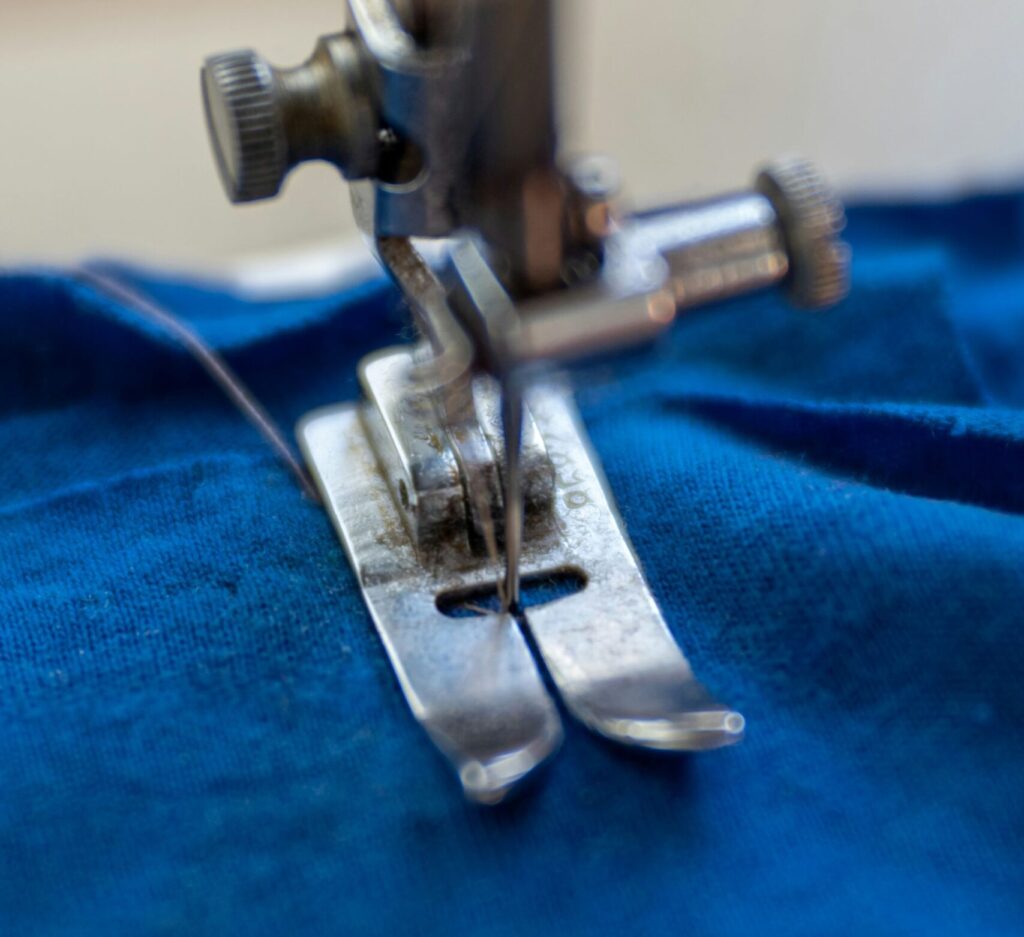
Embroidery is the process of stitching your logo directly into the fabric with thread. It is still the most popular choice for corporate wear such as golf shirts, polos, jackets and caps.
The big advantage of embroidery is durability. A well-digitised logo can withstand years of washing and wear without cracking or peeling. It also has a textured, premium appearance that most people associate with quality. Embroidery works especially well for simpler logos and text. Very fine details or large colour gradients are harder to reproduce cleanly with thread.
Because the logo is stitched, there is usually a digitising step at the beginning. This is a once-off process that converts your artwork into a stitch file. After that, reorders of the same logo are faster and more cost-effective.
Screen Printing
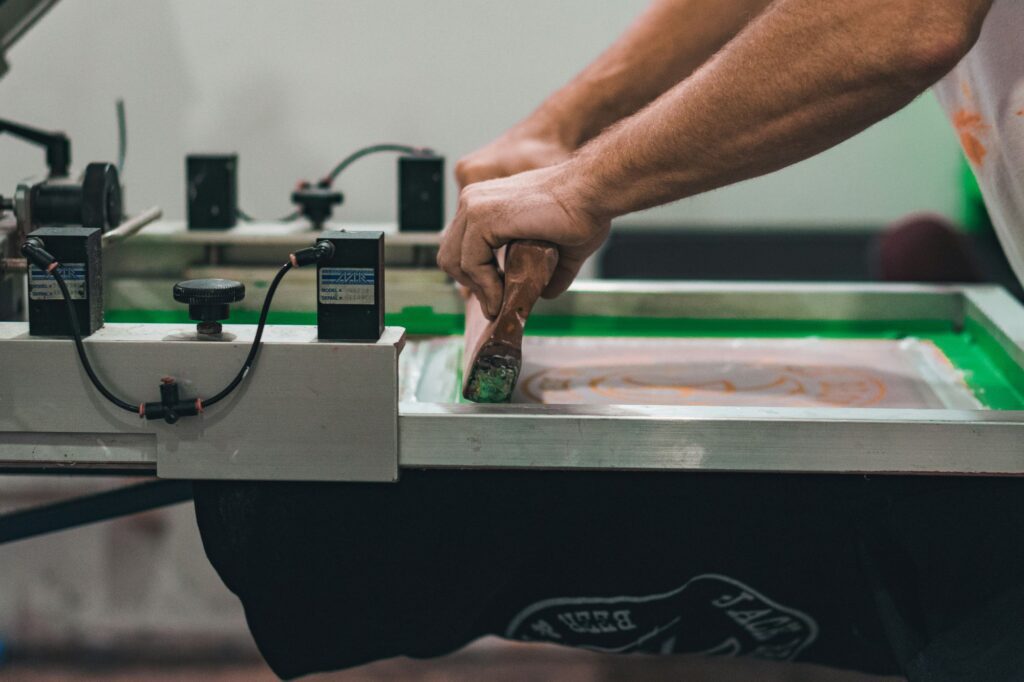
Screen printing pushes ink through a mesh screen onto the fabric. It is commonly used on T-shirts and is excellent for larger designs, bold graphics and multi-colour artwork.
Screen printing produces bright, solid colours and is generally more economical for bigger quantities. The print sits on the surface of the fabric, so the feel can be slightly heavier on large designs. Modern inks and techniques have improved durability, but heavy washing and rough wear can eventually cause cracking on lower-quality prints.
This method suits promotional T-shirts, event clothing and designs that need strong visual impact.
Heat Transfer
Heat transfer (including vinyl and digital transfer methods) involves printing or cutting the design and then applying it to the garment with heat. It is flexible and works well for small quantities, complex full-colour images, or when you need variable data such as names and numbers.
The advantage is versatility and relatively quick setup. The drawback is that some transfers can start to peel or fade after repeated washing, especially cheaper versions. Higher-quality heat transfer materials last significantly longer, but they still generally do not match the lifespan of good embroidery.
Heat transfer is often used for sports kit, once-off events, or designs that are difficult to embroider.
DTF (Direct to Film) Printing
DTF is a newer digital method that has become popular for its versatility. The design is first printed onto a special film and then transferred onto the garment using heat and adhesive powder.
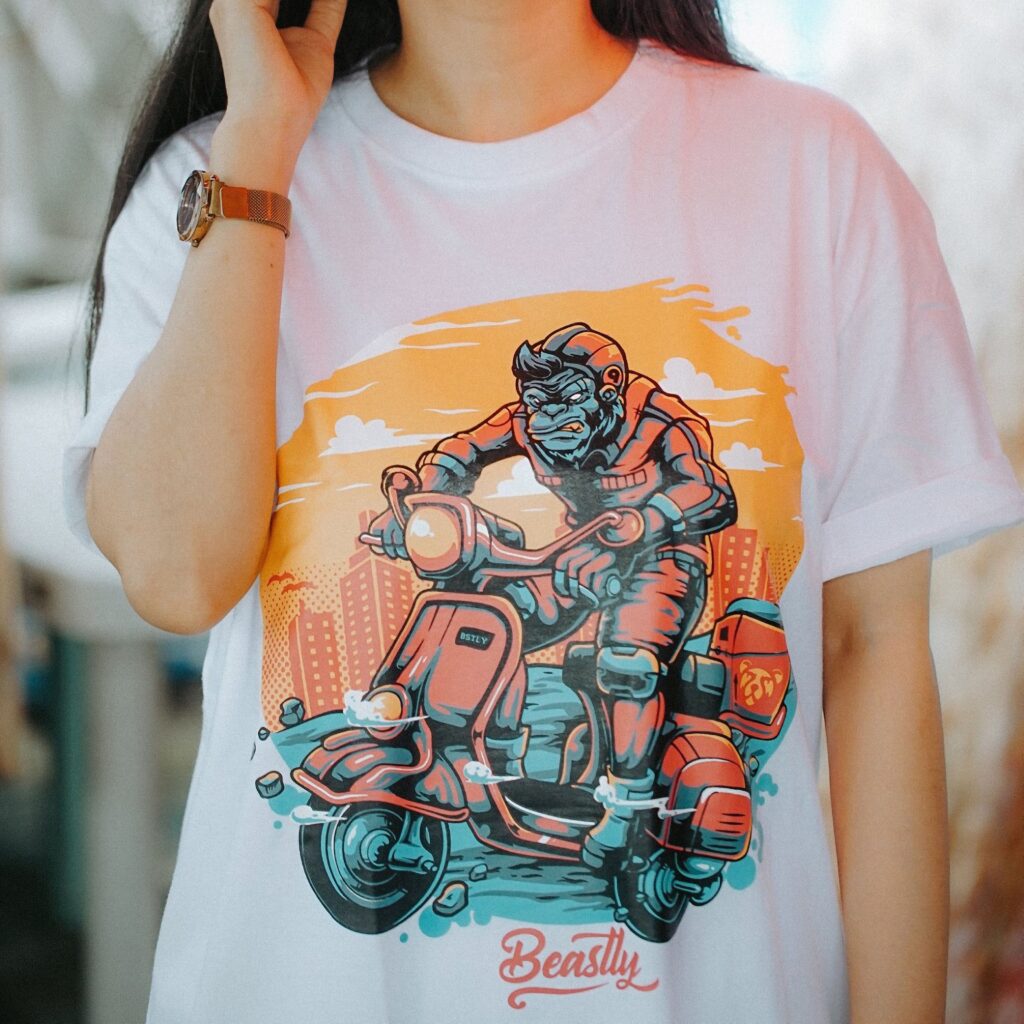
DTF handles full-colour, detailed and complex artwork very well, including gradients and fine elements that are difficult with traditional screen printing or embroidery. It works on a wide range of fabrics, including cotton and some blends, and is suitable for both small and medium quantities. The finish is generally soft and flexible compared to older heat-transfer methods.
While durable when applied correctly, DTF prints may not always match the extreme wash resistance of high-quality embroidery on items that are washed very frequently. Still, it offers an excellent balance of detail, colour and practicality for many modern branding projects.

Other Methods You May Encounter
Sublimation is used mainly on light-coloured polyester garments and allows all-over or highly detailed full-colour designs. The ink becomes part of the fabric, so there is no cracking or peeling. It is less common for standard corporate wear.
Debossing or embossing is sometimes used on specialised garments or accessories, creating a subtle pressed-in or raised effect without thread or ink.
How to Choose the Right Method
The best branding method depends on three main factors: the type of garment, the design of your logo, and how the clothing will be used.
- For classic corporate wear that needs to look professional and last a long time, embroidery is usually the strongest choice.
- For bold, colourful designs on T-shirts or promotional clothing, screen printing often works best.
- For detailed full-colour artwork, smaller runs or mixed fabrics, DTF is an increasingly popular and practical option.
- For small runs, complex images or personalised items, traditional heat transfer can still be useful.
A good supplier will look at your artwork and the garments you have chosen, then recommend the method that will give the best overall result rather than simply the cheapest one.
The branding method is not just a technical detail. It affects how your clothing looks on day one and how it will look six months later. Taking a little time to match the right technique to the garment and the design pays off in better appearance, longer life and a more professional impression every time the clothing is worn.